Did you know that bad PVC roofing installation can cost a lot and even harm your home’s structure? Cutting PVC roof panels needs precision and the right methods for a good job.
Using the right tools and following safety rules are key steps. If you’re doing a home project, knowing how to cut PVC roofing is vital for top results. Properly cutting PVC roof panels ensures a secure, watertight, and professional installation. Accurate cuts prevent leaks, maintain structural integrity, and contribute to the roof’s longevity and aesthetics.
By learning the techniques in this article, you’ll get a great PVC roofing job. It will make your home safer and look better.
Key Takeaways
- Understand the importance of proper techniques for cutting PVC roof panels.
- Learn about the essential tools required for a precise cut.
- Discover safety guidelines to follow during the installation process.
- Gain insights into achieving professional-grade results with PVC roofing.
- Explore the benefits of a well-installed PVC roofing system for your home.
Understanding PVC Roof Panels
PVC roof panels are known for their durability and versatility. They are easy to install and work well for many structures. This includes garages, sheds, and agricultural buildings.
Types of PVC Roof Panels
PVC roof panels come in different types to meet various needs. The main types are:
- Corrugated PVC panels, which are strong and great for projects needing extra strength.
- Flat PVC panels, perfect for where a smooth surface is needed.
- Multi-wall PVC panels, known for keeping energy in and are energy efficient.
Properties and Characteristics
PVC roof panels are valued for their:
| Property | Description | Benefit |
|---|---|---|
| Durability | Resistant to weather, chemicals, and UV light | They last long with little upkeep |
| Versatility | Available in many thicknesses and colors | They fit different needs and looks |
| Ease of Installation | Light and easy to cut and put up | They save on labor and time |
Common Applications
PVC roof panels are used in many ways, including:
For more details on PVC roofing, check out our guide on PVC roofing. It covers the good and bad of PVC roof panels.
Safety Precautions for Cutting PVC Roofing
To cut PVC roofing safely, you need to know the right safety steps. Cutting PVC roofing can be risky, with dangers like sharp edges and health issues from dust.
Personal Protective Equipment
Wearing the right gear is key when cutting PVC roofing. Gloves protect your hands from cuts, goggles shield your eyes from debris, and a dust mask keeps you from breathing in PVC dust.
Workspace Requirements
Getting your workspace ready is important for safety. Make sure it’s well-ventilated to avoid dust and fumes buildup. Also, clear the area of clutter to prevent tripping and ensure smooth cutting.
Health Considerations When Cutting PVC
Cutting PVC roofing can release harmful particles and fumes. It’s important to know the health risks, like breathing problems from dust. Working in a well-ventilated area and taking breaks can help reduce these risks.
By taking these safety steps, you can lower the risks of cutting PVC roofing. This ensures a safe and successful installation.
Essential Tools to Cut PVC Roof Panels
Choosing the right tools is key for cutting PVC roof panels well and safely. The right tools help make clean cuts and prevent accidents and damage.
Manual Cutting Tools
Manual tools are great for small projects or when power tools aren’t needed. They are simple and affordable for cutting PVC panels.
Utility Knives and Snips
Utility knives are good for scoring and cutting PVC panels. Snips, made for plastic or metal, work well for straight or curved cuts in thinner panels.
Hand Saws and Scoring Tools
Hand saws with fine teeth are perfect for cutting PVC panels. They give you control. Scoring tools help score panels before breaking them, ideal for thinner panels.
Power Tools for PVC Cutting
For big projects or thick PVC panels, power tools are a must. They are fast, efficient, and make precise cuts in tough materials.
Circular Saws and Jigsaws
Circular saws are best for straight cuts in PVC panels. Jigsaws are great for curved cuts or complex cuts around obstacles.
Recommended Blade Types
Choosing the right blade is important for cutting PVC with power tools. Use blades with many teeth and those made for plastics to avoid chipping and get smooth cuts.
- Use a fine-tooth blade for circular saws.
- Opt for a variable-speed jigsaw with a plastic-cutting blade.
Measuring and Marking Tools
Getting your measurements and marks right is vital before cutting PVC roof panels. Tools like tape measures, squares, and markers are key for making sure cuts are accurate.
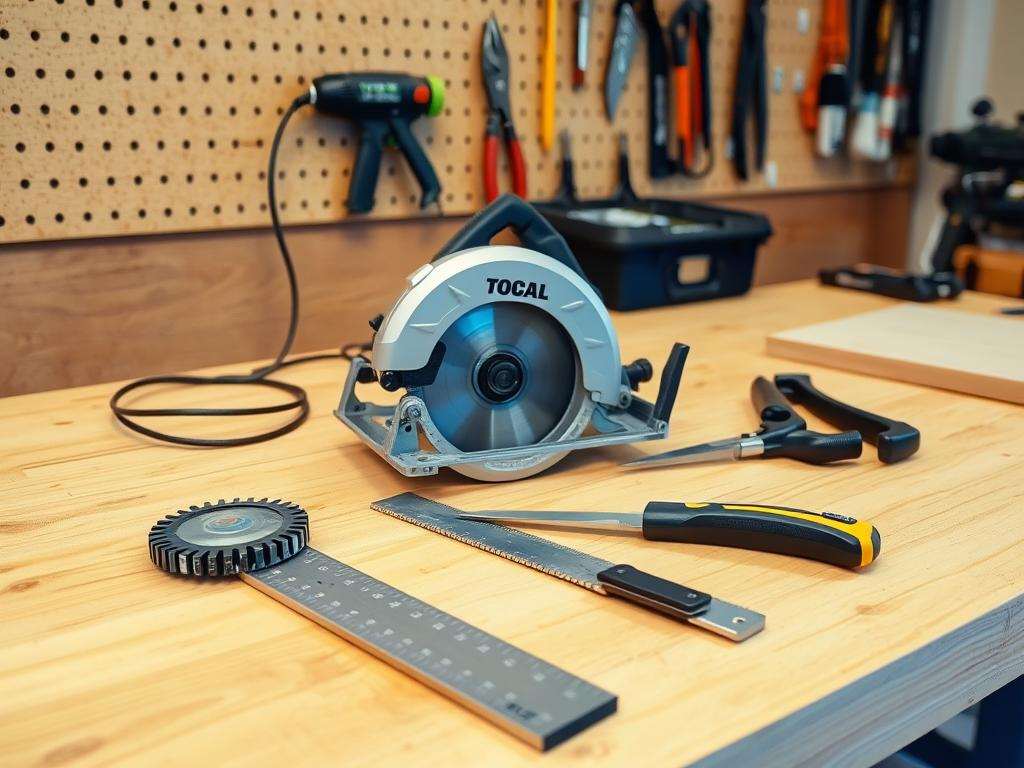
With the right manual and power tools, and the right measuring and marking tools, you’re ready to cut PVC roof panels efficiently and effectively.
Preparing PVC Roof Panels for Cutting
Getting PVC roof panels ready for cutting is a detailed process. It involves several key steps. These steps are important for making precise cuts and a successful roofing job. You need to think about measuring, marking, securing the panels, and the environment.
Accurate Measuring Techniques
To get precise cuts, measuring the PVC roof panels is essential. Use a good tape measure and check your measurements several times. It’s also wise to compare your measurements with the area where the panel will go.
Marking Methods That Won’t Damage Panels
When marking PVC roof panels, use a fine-tip marker or pencil. This helps avoid damaging the material. Stay away from markers with ink that can bleed or scratch. For tricky cuts, a template or stencil can be very helpful.
Securing Panels for Safe Cutting
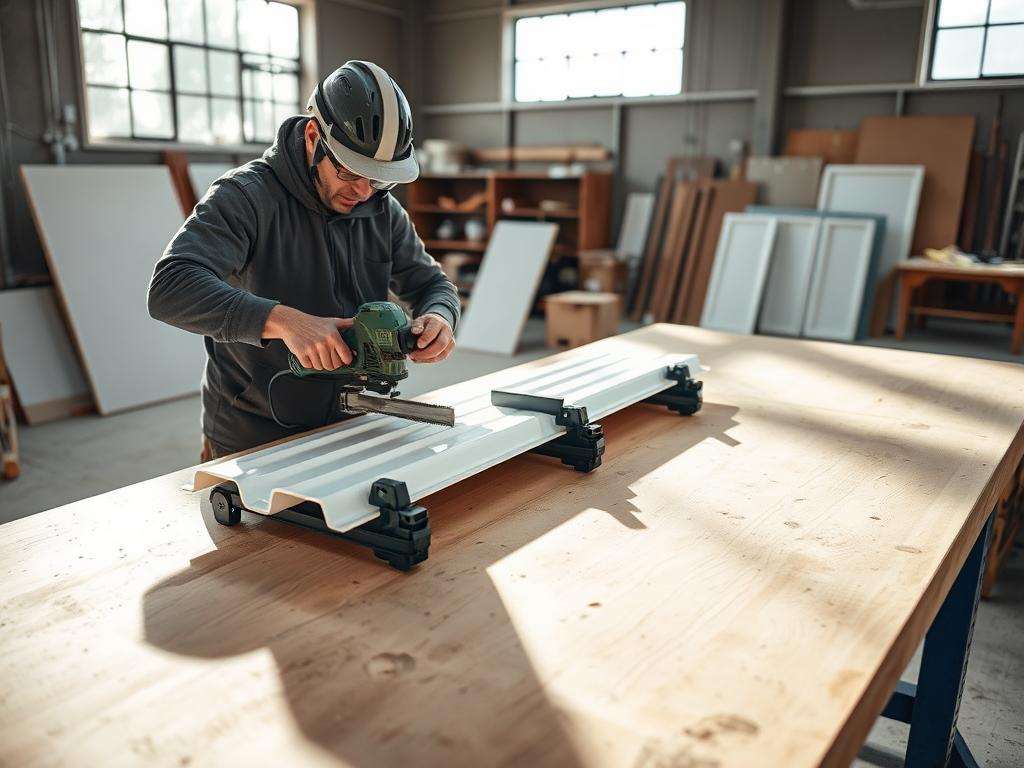
Keeping the PVC roof panel steady is key for safe and accurate cutting. Use clamps or a vice to hold it firmly. Make sure the panel is supported all the way to prevent bending or breaking while cutting.
Temperature Considerations for Optimal Results
Temperature can impact the cutting process and the PVC material’s quality. The Technical Manual for LEXAN MULTIWALL sheets suggests working in a certain temperature range for the best results. Cutting PVC at room temperature (around 68°F to 72°F or 20°C to 22°C) is usually the best choice.
By taking these preparation steps, you can ensure your PVC roof panels are cut accurately and safely. This leads to a successful roofing installation.
How to Cut PVC Roof Properly
Learning how to cut PVC roof panels is key for any roofing job. You need the right tools, the right techniques, and attention to detail for a professional look.
Straight Cutting Techniques
Straight cuts are the most common when working with PVC roof panels. You can use a circular saw or a utility knife, depending on the panel’s thickness and your preference.
Using a Circular Saw
A circular saw is best for straight cuts in PVC roof panels, even for thicker ones. Make sure to use a fine-toothed blade made for plastics. This type of blade helps avoid melting the PVC and gives a clean cut.
Using a Utility Knife
For thinner PVC panels or when a circular saw is not practical, a utility knife works well. Use a sharp blade and score the panel deeply for a clean break.
Making Curved and Custom Cuts
Sometimes, PVC roof panels need to fit around vents, skylights, or other roof features. For curved or custom cuts, you need different techniques and tools.
Jigsaw Techniques
A jigsaw is great for curved cuts in PVC roof panels. Choose a blade with a fine-tooth pitch to avoid chipping and get a smooth cut.
Template Usage
For complex cuts or when precision is important, making a template is helpful. A template lets you trace the cut line accurately on the PVC panel, ensuring a precise fit.
Cutting Different PVC Panel Thicknesses
The thickness of the PVC panel affects the cutting method. Thicker panels need more powerful tools like circular saws. Thinner panels can usually be cut with utility knives or jigsaws.
Cutting Around Obstacles and Vents
Cutting around roof obstacles like vents or skylights needs careful planning and precision. Using templates or making precise measurements helps achieve a professional look.
Troubleshooting Common Cutting Problems
Even with the best preparation, issues can happen when cutting PVC roof panels. Common problems include cracks, splits, and melting edges.
Preventing Cracks and Splits
To avoid cracks and splits, make sure the PVC panel is supported during cutting. Use the correct cutting tool and avoid applying too much pressure or using a dull blade.
Dealing with Melting Edges
Melting edges can happen when cutting PVC, often with power tools. To reduce this, use a plastic-cutting blade and keep the cutting speed moderate to prevent too much heat buildup.
Mastering PVC Roof Panel Cutting
Cutting PVC roof panels needs precision and the right tools. This guide will help you cut like a pro. You’ll get professional-quality results.
Getting the cut right is key for a successful roof. With the right tools and techniques, you’ll save time and materials. This guide is for DIY fans and homeowners alike.
Learning to cut PVC roof panels well prepares you for many roofing tasks. You’ll be ready for repairs or big installations. Your projects will be done well and fast.